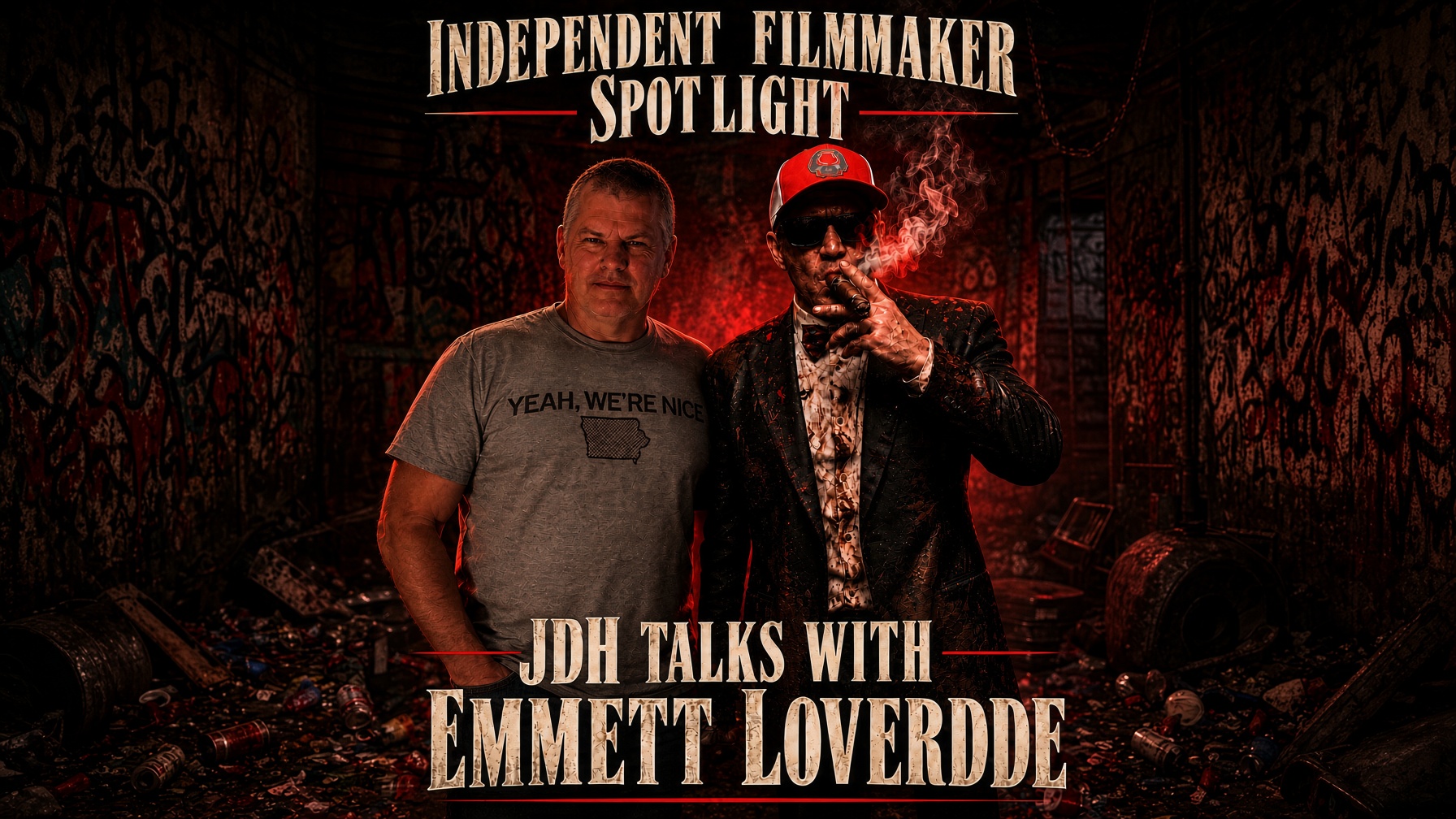
A director’s hard lessons on bad deals, why plays make reliable scripts, and the $500 pay‑to‑play moment distributors don’t tell you about.
“I won’t work for minimum.” — Emmett Loverde’s father set a rule that shaped every budget and credit list Emmett carries today.
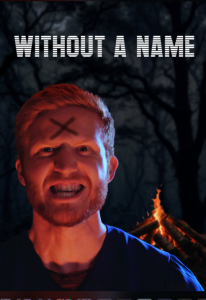
Emmett Loverde starts small — Super‑8 in high school, scraping emulsion off film, then VHS and early digital. By 2000 he’d made his first feature, Santa’s Letters, shot cheaply enough that the biggest line item was food and half the budget went to a camera he could afford. That frugality is the throughline of a career that now includes five features, a new comedy called the Maginot Line, and a thriller titled Without a Name on Tubi and Amazon.
Why plays made him a confident director
Emmett turned to theater when features were too expensive. He studied theater in college, wrote plays, and produced them around Los Angeles. Those stage runs weren’t vanity projects — they were tests. Seeing actors perform a script on its feet gave him two gifts: the knowledge that a piece could sustain an audience, and a practical roadmap for directing actors who ask, “Is this funny?”
When he adapts plays, Emmett can answer with authority: “Yes, it’ll work — we’ve seen it play.” That certainty short‑circuits endless on‑set debate. It also explains the tonal range across his films: family Christmas (Santa’s Letters), relationship comedy (Beauty, Brains and Personality), and a fantasy‑tinged piece (She’s Out of His Mind). The playwright’s discipline keeps shoots moving and keeps actors paid: aside from that first Christmas film, he says he’s always found money to pay cast and crew.
Distribution: a long learning curve and some sharp lessons
Emmett’s story here is brutal and useful. He ran AFM with Santa’s Letters in 2001 and nearly signed a terrible deal before an attorney advised otherwise. He later hired a sales agent for Beauty, Brains and Personality — the agent found a Florida distributor known for schlock, and the contract left Emmett with essentially no revenue. He expects the rights to revert soon and plans to re‑release it properly.
Concrete examples and numbers from the conversation:
He paid roughly $1,000 to try Quiver on a 20‑minute short and made almost nothing in return.
Film Hub gave him the most placement success, but they now charge pay tiers: to be considered by Tubi you must pay $500 — a “pay‑to‑play” change Emmett calls unethical.
Indie Rights takes about 20% and returns 80% of revenue, but it’s curated: they’ll say no bluntly if your film isn’t for them.
Emmett recommends Film Hub based on past results but is rethinking that endorsement because of rising fees and declining service. His practical takeaway: know the contracts, ask what the distributor actually does for the fees, and don’t confuse a polished trailer for a fair revenue split.
“I signed it. I regret it completely.” — Emmett Loverde on a distributor deal that paid him nothing
That sentence is the kind of quiet confession most first‑time filmmakers nod along to: the contract looks real, the rep is charming, and the math quietly disappears under marketing charges and recoupment clauses.
How he finances films and keeps making them
Emmett’s financing strategy changed with each project. Santa’s Letters was out of pocket and tiny; She’s Out of His Mind used a proper LLC and a private placement memorandum to sell shares; Beauty, Brains and Personality had one of his higher budgets and a sales agent that ultimately failed to secure a fair return.
He emphasizes basics that rarely sound glamorous: buy a decent camera if you can, feed your cast, and be professional about paperwork. His father’s rule about pay shaped that: if you can find the money, pay actors at least above minimum. It keeps relationships intact and sets a standard that matters when you want those people back on your next set.
Personal projects and the thing that mattered most
Without a Name wasn’t adapted from a play — it was an original screenplay Emmett co‑wrote with Larry Meraviglia, a friend who later became confined to a wheelchair. Larry couldn’t be on set, but Emmett brought cuts to him during editing. Larry saw the movie in a downtown LA theater in December 2024 and passed a little over a month later. That screening was a small, vital victory for both men.
Emmett’s next work is a messy, electric punk film born out of a backyard connection: he grew up next door to Sam McBride from the hardcore band Fang. Sam, who did time and is now clean, invited Emmett into an RV with three ex‑cons for four days of recording — twelve‑step meetings, stories, a bank robber’s recollections — and Emmett is editing what may become a punk documentary or a talk‑driven film. Fang’s music even appears in Without a Name.
What to steal from Emmett’s playbook
Start small and learn formats (Super‑8, VHS, Premiere, Final Cut).
Test material on stage when you can. Plays give a rehearsal cycle most indie scripts miss.
Read every contract and get an attorney. The AFM handshake is not enough.
If a distribution service asks for a fee to submit to a major streamer, understand exactly what you’re buying.
Emmett’s final ask is modest: keep making films.
He wants one more experience — to shoot inside a studio lot, to see how a modest‑scale indie translates into that space. Given his rhythm — write, stage, shoot, iterate — it feels less like a wish than the next inevitable project.
If you want the full audio, the conversation goes deeper into specific festival memories, on‑set stories about quick setups versus traditional dolly rigs, and the exact mix of mistakes that taught him to push back at sales reps. It’s worth a listen if you’re thinking of making your next feature or wondering how a decades‑long indie career actually survives the market changes.
— JDH
Listen to Emmett’s full conversation for the longer anecdotes and the bits we had to trim for time.