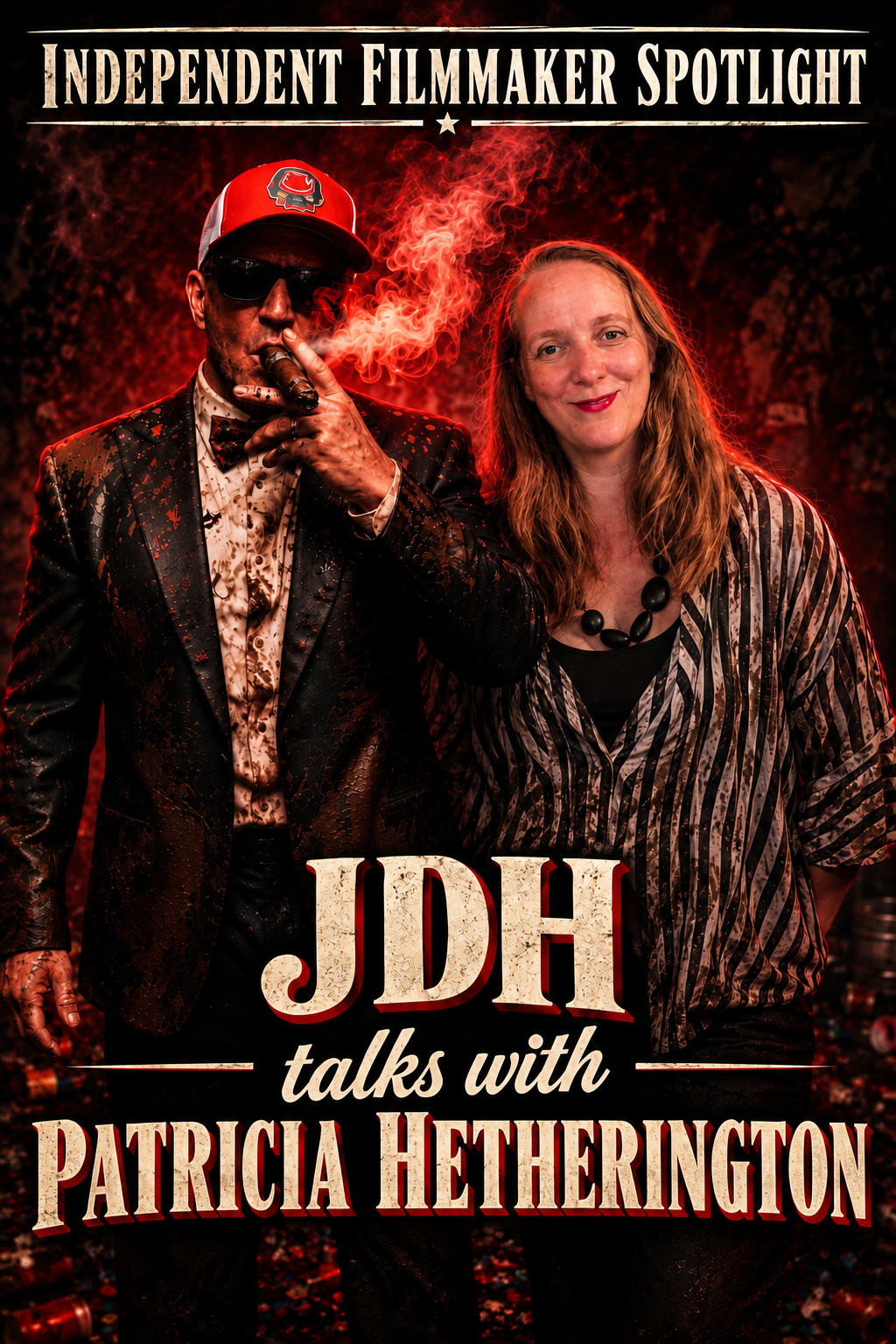
“We’ve made 33 short films with Action on the Side — and more are coming.” — Patricia Hetherington
Patricia starts there because the number matters. Action on the Side began in 2013 and, as she told me from London, it’s grown into a repeatable weekend system that turns busy people into filmmakers: pitch, pre‑prod, shoot, edit, premiere — all spread across four weekends so people with day jobs actually finish something.
The one‑month weekend model and how it actually works
The structure is simple and strict by design. Weekend one is pitch and pre‑production — Patricia teaches pitching, budgeting and scheduling and the group votes on which scripts to make. Weekend two, you shoot. Weekend three, you’re in post. Weekend four, you premiere.
- Films are micro budgets funded by participant fees (currently about £100 early signup, rising to £130).
- Target runtime: roughly 10 minutes. The idea is short but complete work, not a rough demo.
- Patricia’s projects have produced dozens of shorts — she estimates 33 and counting, with two more possible in the pipeline.
That rhythm solves the three most common failure modes for aspiring filmmakers: no final deadline, no team who will stick it out, and no safe place to rehearse working roles. People come as directors, ADs, PAs, or first‑timers and leave with credits and a network they can call on again.
Why Patricia loves short films — and why you should, too
Patricia calls short films “more than a stepping stone.” She compares them to short stories versus novels: different pleasures, different economies. For her, shorts are where you learn composing shots, rehearsal discipline and the logistics of set life without committing years or a feature budget.
She’s explicit about tradeoffs: she still keeps a day job (25 years of weekend and holiday filmmaking) because stability matters. But she also argues that in cities like London you can realistically make three to four shorts a year — far more output and learning than in a small market like New Zealand.
The benefits are concrete: finished pieces for festival submissions, practice in roles you don’t normally get to play, and — crucially — relationships. Patricia runs Action on the Side in part because alumni keep working together; the network is the product as much as any single film.
From New Zealand’s 48‑hour culture to London’s indie engine
A useful detail about Patricia’s background: she grew up in New Zealand’s robust short‑film ecosystem and calls the national 48‑hour competition a training ground — teams return each year, get better, and many go on to larger work. That formative experience shaped how she designed Action on the Side.
She contrasts markets candidly: New Zealand’s small, independent scene produces fewer films and faces a “cultural cringe” where local audiences often prefer American imports. London, by contrast, is where she says “there’s more film production” and therefore more opportunity to make work and build a career faster.
What she’s asking participants not to bring: generative AI
Patricia is clear and practical about technology: AI can be a tool, but her projects ban generative AI for film creation. She allows limited use — say, for internal pitch decks or minor sound fixes — but insists, “we’re creatives, let’s make it ourselves.”
Her rationale is twofold. First, there’s an industry impact: routine jobs (corporate voice work, some post tasks) are already being automated, and that reduces paying opportunities for crew members. Second, there’s an aesthetic argument: people push back when they can tell something was generated or looks fake. For Action on the Side, the point is hands‑on learning, not delegating creativity to an algorithm.
Virtual production, crews, and what’s at stake
Patricia acknowledges virtual production’s efficiencies: fewer flights, consolidated studio logistics, and potential sustainability gains — reasons studios and producers are investing in LED volumes and green‑screen workflows. But she also flags the human cost: fewer on‑location jobs, smaller crews, and downward pressure on pay.
Her solution, implicit in the projects she runs, is localism and skill transfer. If you can rehearse, shoot and finish a film with a small crew on weekends, you preserve the craft and create work that resists being fully subsumed by virtual or AI pipelines.
Where Patricia is headed and what to take from this
She’s working toward features — writing and developing several projects, including anthology work with a group of female UK filmmakers — but she’s not abandoning shorts. For her, a feature is a long game and the short film community is the training ground and pipeline.
If you take one thing from this conversation, let it be this: build a repeatable, low‑risk system that forces you to finish. Patricia’s one‑month weekends do that. They produce work, teach real set skills, and build a network you’ll use for years.
If you want to hear the full conversation — how she runs the budgeting workshops, the exact ways she keeps fees low, and a few anecdotes about projects that almost fell apart — the full episode has it. Either way, Patricia’s rule is worth repeating: get your hands in, get dirty, and make films.
Ka kite anō — until next time.