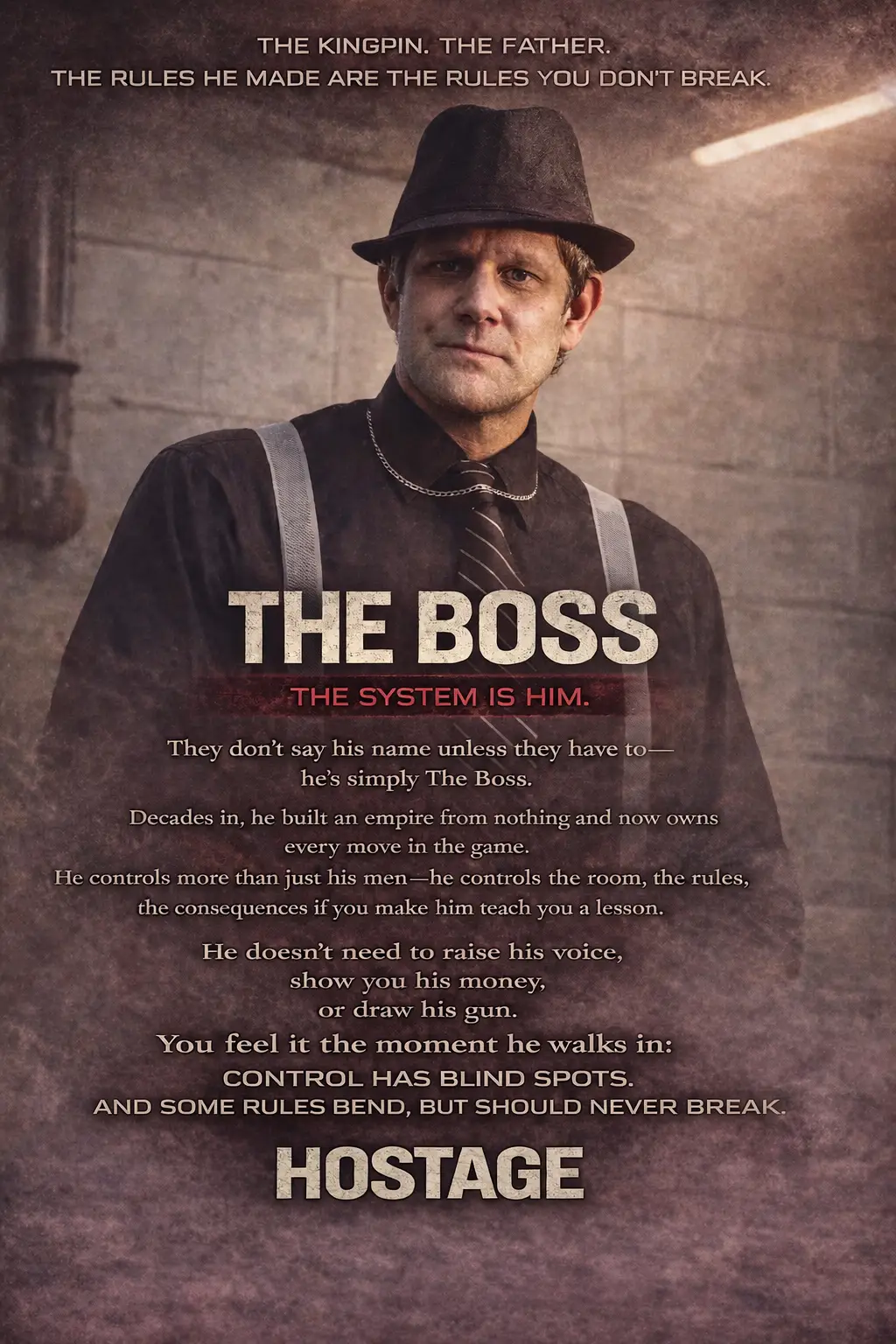
From jailer graveyards to Call of Duty and national promos — the patient, practical path behind a voice you’ve heard everywhere.
“God bless the lazy” — that’s Chris Fries’s shorthand for how he got work early: not because he was the most talented in the room, but because he was the one who showed up. That line lands first because it explains the career arc the conversation keeps returning to: availability, persistence, and a willingness to do the small, awkward jobs nobody else wanted.
The pivot nobody saw coming
Chris didn’t start out plotting a voiceover career. He came up through college radio, took a decade running parks and rec programs, and then — in 2004 — bounced from municipal work into a new track after a single email exchange with a radio personality. He calls it an epiphany: one reply telling him “take the classes” and he went all in.
That “all in” had costs. He invested in classes and gear, spent years lowballing himself on pay‑to‑play casting sites, and for a time worked graveyard shifts as a jail custody assistant so he could keep days open for auditions and classes. The overtime drafts at the jail nearly collapsed the plan — he was routinely forced into extra eight‑hour shifts — but he made the trade to keep chasing auditions in LA.
Small jobs, weird scripts, huge lessons
Early gigs read like a list of oddities only someone who’s hustling would take: regional fertilizer ads, hypnosis CDs promising everything from quitting smoking to “grow taller,” and runs through pay‑to‑play audition boards where he sometimes quoted free and somehow still got paid. Those odd jobs taught him two things: how to deliver under direction and how to build a reel fast.
He also chased union eligibility aggressively: extra work, on‑camera background roles, and even a Taft‑Hartley route that landed him on set for a Scientology video (yes, really). The specifics matter — those vouchers, that tennis audition, and that weird church video are the concrete steps that opened union doors and changed his trajectory.
“I’m not the most talented guy, far from it. But I am one of the more ambitious and driven guys.” — Chris Fries
The tech and day‑to‑day that make the job real
Voiceover isn’t just reading into a mic. In the middle of the interview Chris walks through the mechanics: building a home studio, learning upload formats (MP3s), and mastering remote session tech (ISDN used to be the norm; Source‑Connect and internet streaming replaced it). He was early enough to benefit from that shift: when the pandemic pushed everything remote, his broadcast‑quality home setup turned auditions and sessions into advantages rather than barriers.
Even now, his typical day can include a History Channel session, a Dodge spot recording, and several same‑day auditions. The turnaround expectations are real: some auditions need files back within an hour, others within 24. Sessions that are directed — where a producer or director sits in and shapes the reads — are quick when everything clicks, and laborious when they don’t. Chris learned to deliver multiple takes and give casting teams options, then press upload and hope.
Money, residuals, and the surprising math of promo work
People imagine every airing equals a payment. The truth Chris lays out is messier and more useful: pay is tied to contract cycles, media types (TV, radio, digital), and the number of versions (30s, 15s, tags). A promo job might start at a modest union scale — Chris gives the example of a $297 spot plus $99 tags — but if that spot runs across many days and versions, it compounds into serious revenue.
Promo work can be a cash cow because a single booking multiplies into dozens of tags and cycles. Video games and feature work typically pay differently (and sometimes much better), but they’re also more isolated sessions; you rarely record with the marquee names in the same booth. Chris’s Call of Duty credit with Kiefer Sutherland and Gary Oldman is illustrative: big name cachet, but he got scale while the stars negotiated higher pay.
Character, point of view, and how he built a signature palette
Chris’s most recognizable work isn’t a single “studio voice.” It’s the way he adapts point of view: sarcastic owl for America’s Best, hushed menace for Dodge, dragnet bluntness for Brooklyn Nine‑Nine promos. He isn’t putting on cartoon voices; he’s leaning into moods — “Chris mad,” “Chris happy,” “Chris sardonic” — and letting those attitudes inform tone and texture.
Sessions often start with a spec (they wanted a Ron Swanson vibe for Brooklyn Nine‑Nine), then directors will pivot on the fly. In one case a promo session ran 45 minutes — absurd for that format — and Chris thought he’d blown it. It turned into the voice they used, because he kept responding to direction and found the right register.
Mentors, agents, and the professional multiplier
A big throughline in the conversation is the value of relationships. A trainer in his local gym introduced Chris to Scott Rummel, a major figure in trailers, who invited him to sit in on sessions and taught him the checklist of industry behaviors. That mentorship was a map: the things to do, the workshops to take, the etiquette to learn.
Agents did the rest of the heavy lifting. Chris credits his agent at CESD with getting him in front of the right projects; roughly 90% of his work arrives through representation. Early on he leaned on networking and hustle to make those introductions happen; once the agent relationship was working, it multiplied the opportunities he could actually book.
What it takes and what to expect
Concrete timeline: Chris started the pivot in 2004, booked his first national commercial in 2008 (Minute Maid), and hit steady, self‑sustaining work around 2009–2010. That eight‑to‑six year window from first classes to reliable income is the real answer to “how long until you make money?”
His advice is plain and practical: it’s a marathon, not a sprint. Expect to spend years learning, investing, and doing unglamorous jobs. Be available, be relentless about showing up, and do the technical homework on home studios and remote sessions. When others opt out, you get the call.
Where he sees himself? Continuing the work he loves, taking the gigs that fit, teaching and paying it forward, and enjoying the life he carved out — including the occasional jacuzzi and cigar.
That’s the last image worth carrying: not a single viral break or overnight success, but decades of tiny decisions — classes taken, auditions returned in an hour, night shifts traded for daytime hopes — adding up into the voice you recognize on TV, in games, and in the car radio. If you’re thinking about voiceover, Chris’s career is less mythology and more blueprint: show up, learn the tech, take the weird jobs, and keep going.